Biophilic Design & Nature Integration: Bringing the Outdoors In

Updated: Nov 15, 2025

There’s a reason we instantly feel calmer in a garden or by the sea nature grounds us.
In today’s fast-paced urban life, it’s not always possible to escape to the outdoors, which is why designers are bringing nature inside our homes. This movement, known as biophilic design, is about creating interiors that connect people with nature through plants, materials, light, textures, and air. It’s not just a style choice; it’s a way to improve how we feel, work, and live.
What Is Biophilic Design?
Biophilic design is built on one simple idea: humans have an innate connection to nature. The word “biophilia” literally means love of life or love of living things.
In design terms, it means introducing natural elements like sunlight, greenery, water, and organic materials into our interiors. The goal is to mimic nature’s balance, making spaces that feel alive, calming, and restorative.
Studies have shown that being surrounded by natural elements can reduce stress, boost focus, and improve air quality, making biophilic design both beautiful and beneficial.
Why Nature Integration Matters ?
With growing urban density and digital lifestyles, our contact with nature has decreased dramatically. We spend up to 90% of our time indoors, which affects mental health and creativity.
Biophilic design bridges that gap. It brings the freshness of the outdoors into your home — visually, physically, and emotionally.

Even subtle changes like placing plants near a window or using natural wood furniture can create an atmosphere of balance and renewal.
Core Principles of Biophilic Interiors
1. Natural Light and Open Layouts
Sunlight is the most powerful natural design element. Maximize daylight through large windows, glass partitions, or skylights. Use sheer curtains and mirrors to bounce light deeper into rooms.
If natural light is limited, mimic it with warm LED lighting that changes intensity through the day.
2. Use of Plants and Greenery
Plants are the heart of biophilic design. They purify air, add texture, and soften sharp corners.
You can go big with statement plants like fiddle-leaf figs or monstera, or start small with succulents, pothos, or peace lilies on shelves and desks.
Vertical gardens and hanging planters are great for compact apartments.

3. Organic Materials and Colors
Choose finishes that reflect nature wood, bamboo, cork, clay, and linen. In terms of color, draw inspiration from the outdoors: greens, terracottas, soft browns, sky blues.
Texture also matters — mix smooth stone with rough jute, or polished wood with soft cotton, for a layered, grounded feel.
4. Water or Sound Elements
The sound of trickling water or rustling leaves has an instant calming effect.
If you can, add a small tabletop fountain or a sound diffuser with natural white noise (like rain or ocean sounds).
This sensory element deepens the nature connection beyond visuals.
How to Incorporate Biophilic Design at Home

You don’t need a sprawling home to embrace nature indoors. Start with these simple, practical ideas:
Bring in plants: Mix floor planters, hanging pots, and shelf greens to create visual layers.
Use natural materials: Opt for wooden furniture, bamboo blinds, and jute rugs.
Open up your space: Remove heavy curtains or partitions to let light and air move freely.
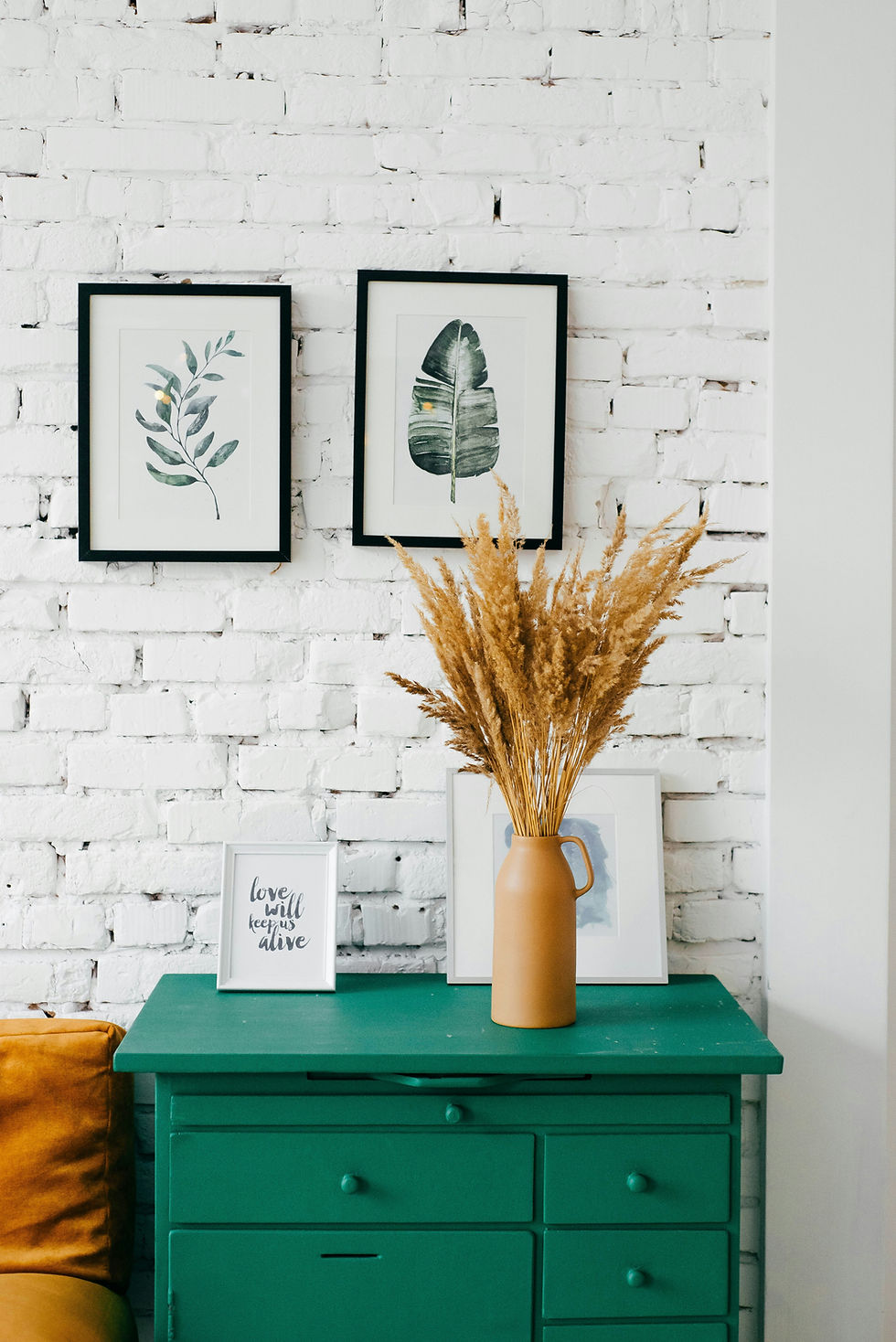
Play with nature-inspired prints: Think leaf patterns, abstract florals, or botanical wallpapers.
Connect inside and outside: If you have a balcony, use similar flooring or color tones for visual continuity.
Each of these steps contributes to a more breathable, connected environment — one that feels fresh every day.
Real Examples & Style Tips
Biophilic interiors can suit any design style from modern apartments to traditional homes. Here’s how to integrate nature without losing your personal aesthetic:
Minimalist homes: Use large plants as sculptural elements instead of wall art.
Bohemian spaces: Layer woven textures, macramé, and leafy plants for organic charm.
Modern interiors: Combine glass and metal with greenery for contrast.
Whatever your style, balance is key nature should enhance, not overwhelm, your space.
Biophilic design isn’t just about decorating with plants it’s about designing for well-being. By bringing natural textures, materials, and light into your home, you create a space that heals, energizes, and inspires.
It’s a gentle reminder that even in the middle of a concrete city, nature can live right inside your home in every leaf, beam of light, and breath of fresh air.