
Minimalism Meets Warmth : The Rise of Japandi & Cozy Scandinavian Interiors

Updated: Dec 15, 2025
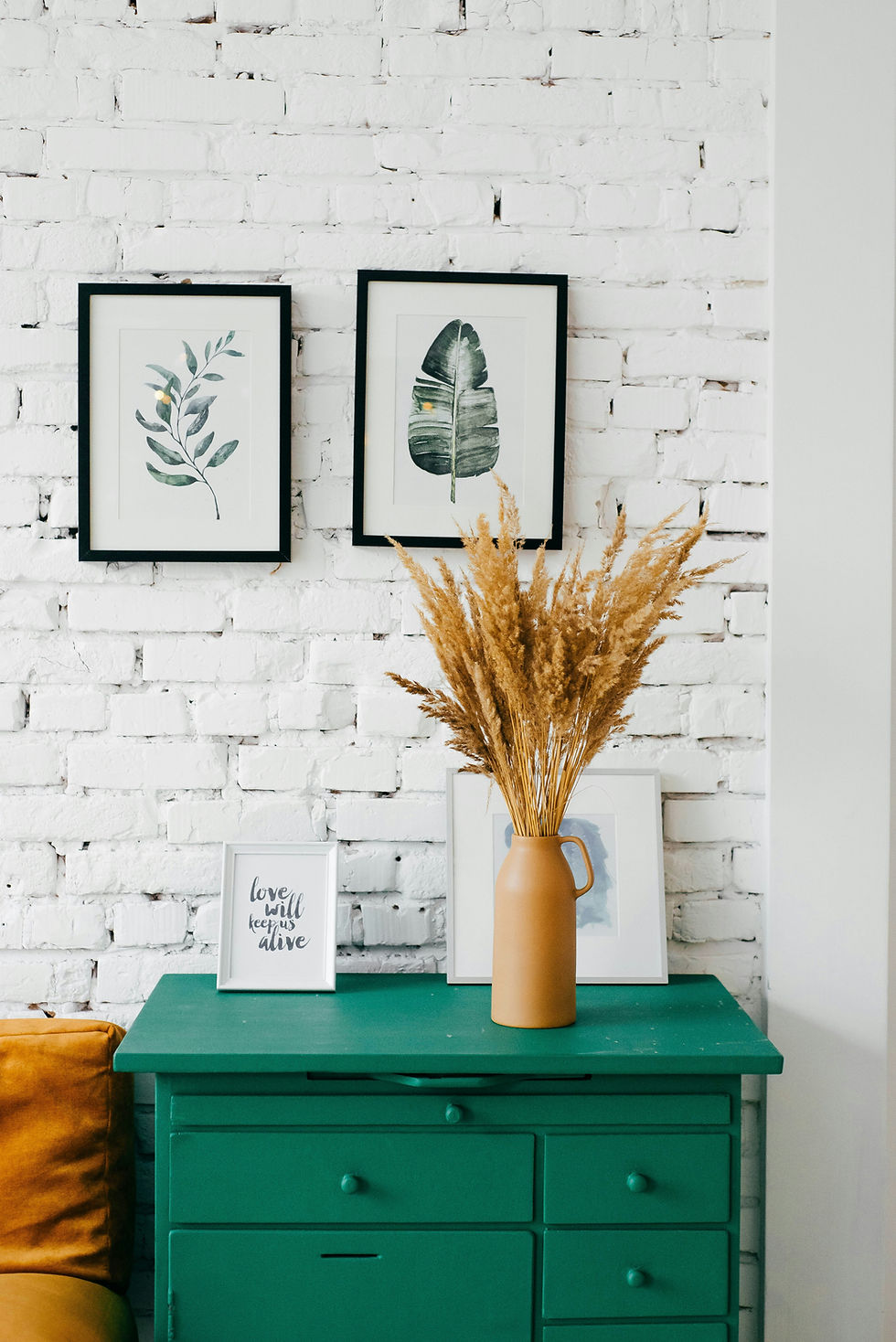
What Is Japandi Design?
Japandi is a hybrid design philosophy that takes the best of two worlds: Japanese minimalism and Scandinavian functionality. Both styles value purpose over excess and harmony over chaos.
At its heart, Japandi is about intentional living choosing every item for a reason, creating visual balance, and celebrating natural materials. It’s minimalism softened by warmth: a wooden chair that’s beautiful and comfortable, a neutral palette that feels earthy instead of stark.

Why It’s Trending in Modern Homes
Urban living has made us crave calm. Our homes have become more than just a place to sleep they’re our sanctuaries.
Japandi design naturally aligns with this shift. Its clutter-free approach fits perfectly in compact city apartments, while its organic textures bring a sense of grounding. And because both styles emphasize quality craftsmanship over trends, Japandi interiors feel timeless.
From Pinterest boards to home décor stores, this aesthetic is everywhere because it’s attainable, soothing, and visually cohesive
Key Elements of Japandi Interiors

1. Neutral Color Palette
Japandi thrives on warm neutrals think beige, taupe, off-white, and soft grey. These shades create a serene foundation, allowing wood and texture to take center stage.
For contrast, add muted accents like sage green, charcoal, or terracotta. The key is to keep everything soft and natural, not stark.
2. Natural Materials
Wood, linen, rattan, stone Japandi interiors celebrate materials that age gracefully.
Mix light Scandinavian woods (like ash or birch) with richer Japanese tones (like walnut or oak). Incorporate ceramics, woven textures, and paper lamps to create layers of tactile warmth.
3. Functional and Simple Furniture
In Japandi spaces, form follows function. Each piece of furniture should have purpose and presence clean silhouettes, sturdy construction, no ornate details.
Choose low-profile sofas, wooden tables, and multi-use storage that blends seamlessly into the space.
4. Imperfect Beauty (Wabi-Sabi Influence)
A key philosophy in Japandi is wabi-sabi the Japanese art of finding beauty in imperfection. A handmade vase, a slightly uneven glaze, or a visible wood grain adds soul to a minimalist setup.
These subtle imperfections remind us that comfort and character go hand-in-hand.
How to Bring Japandi Style Home
Creating a Japandi-inspired home doesn’t require a full renovation just thoughtful tweaks.
Declutter first. Keep only what serves a purpose or brings joy.
Layer textures. Combine smooth surfaces (like matte walls) with soft fabrics (like linen curtains or jute rugs).
Use warm lighting. Swap harsh white bulbs for warmer tones to create a cozy glow.
Add greenery. Plants like bamboo, snake plants, or bonsai fit naturally in this aesthetic.
Shop consciously. Opt for handcrafted or sustainable décor over mass-produced pieces.
These small changes can make your home instantly feel calmer and more cohesive.
Real-Life Inspiration: Modern Japandi Corners

You don’t need a designer to achieve Japandi harmony. Start with a small corner maybe a reading nook, study desk, or bedroom.
Use soft lighting, a natural rug, and one or two handcrafted accents. Choose breathable fabrics like cotton or linen for curtains or cushions. Keep the color palette consistent throughout.
Over time, these touches will naturally expand into other rooms, creating a flow of calm minimalism that still feels human and lived-in.
Final Thoughts
Japandi design isn’t about following a trend it’s about creating a state of mind. A space that looks simple but feels rich in comfort and meaning.
In a world of constant stimulation, this blend of minimalism and warmth invites us to pause, breathe, and reconnect with the beauty of simplicity.

